Roman Journey: A Second Roam.
06 September 2024
Ina Assitalia Historical Archive
The sequence of events that led to the 1951 transfer of the permanent headquarters of the UN’s Food and Agriculture Organization (FAO) from far-off Washington to Rome is well-recorded. Another familiar story is that of how, after numerous appraisals, the site for the new headquarters of the FAO came to be chosen in one of the most beautiful areas of the eternal city: Aventine Hill. The Italian government — aware of the momentous impact of the event on the renewed international standing of a country still partially under reconstruction following the end of the war — offered what was intended to be the headquarters of Mussolini’s Ministry of Italian Africa, left unfinished due to the Second World War.
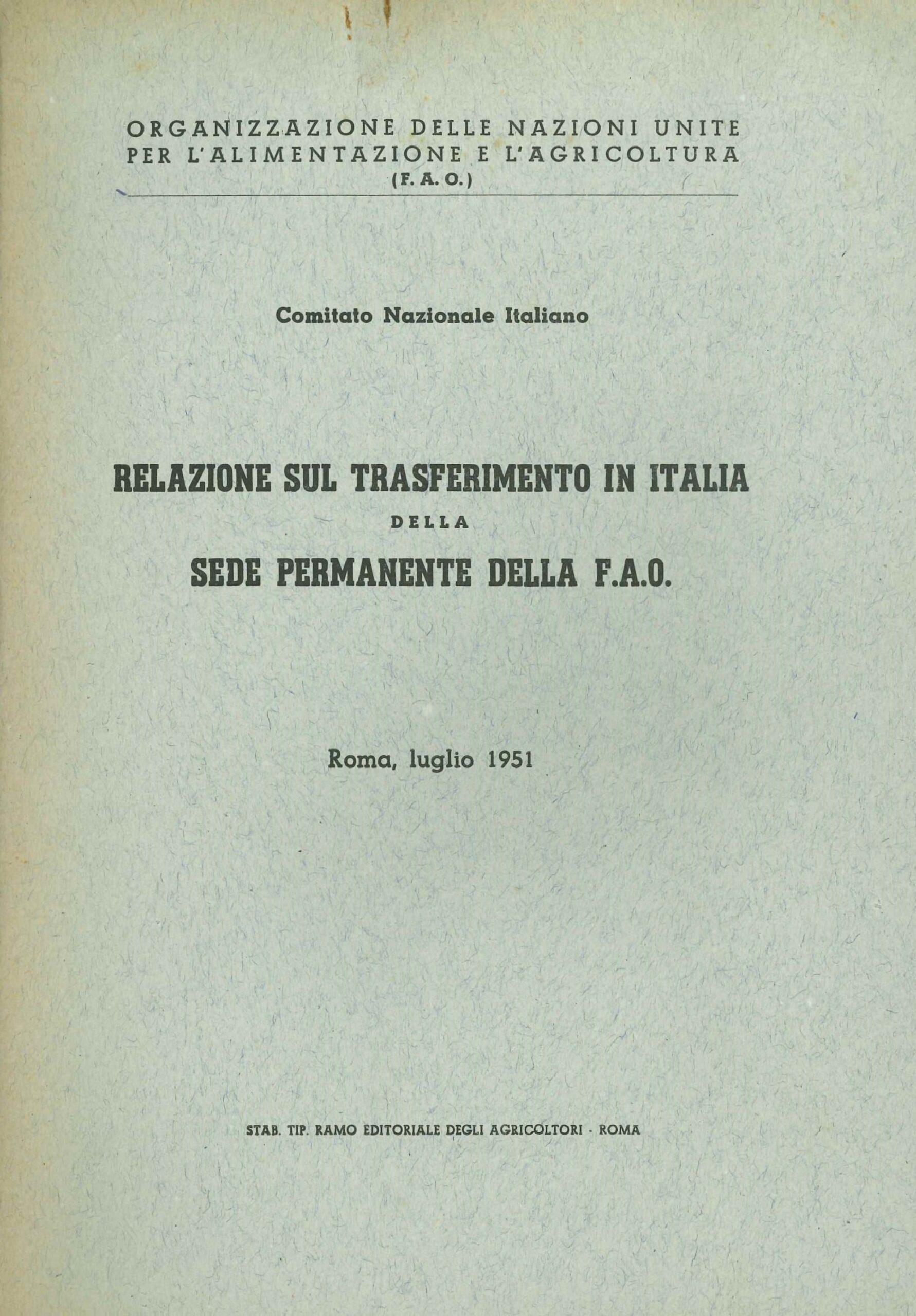
What is less well known is that the Italian government tasked the Istituto Nazionale delle Assicurazioni (INA) and the INAIL (Italian Workers’ Compensation Authority), with overseeing the acquisition of buildings either adjacent or within easy reach, to meet the housing needs of the FAO’s employees. This task, carried out by the two Italian public entities, was raised and recognised in a pamphlet published by the Italian National Committee of the FAO in 1951 entitled “Report into the Transfer to Italy of the Permanent Headquarters of the FAO”. For this purpose, the INA acquired three buildings: one in Via di Villa Chigi (today’s Via Nicolò Piccinni), one in Via Marco Polo and one in Via Vescia.
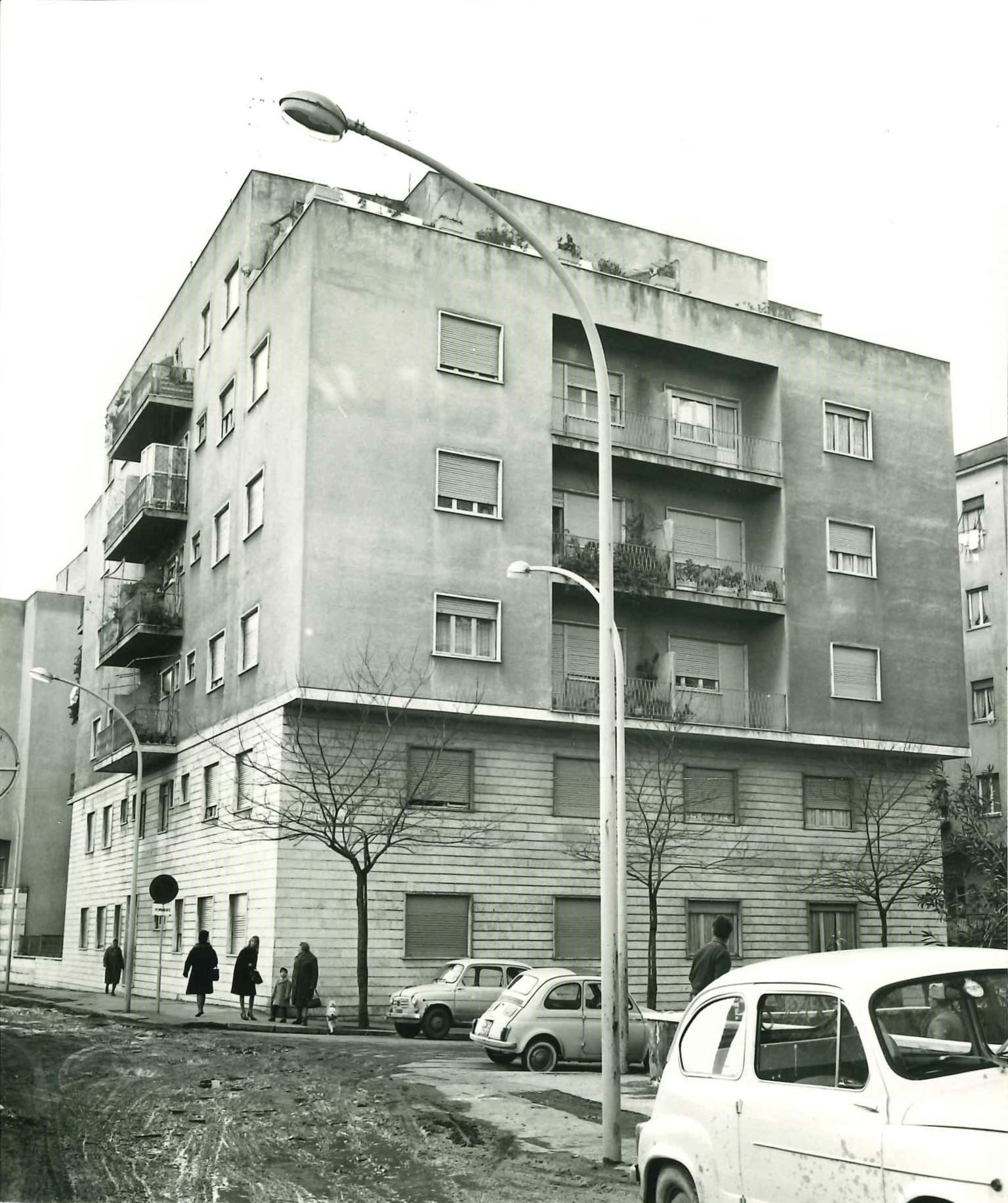
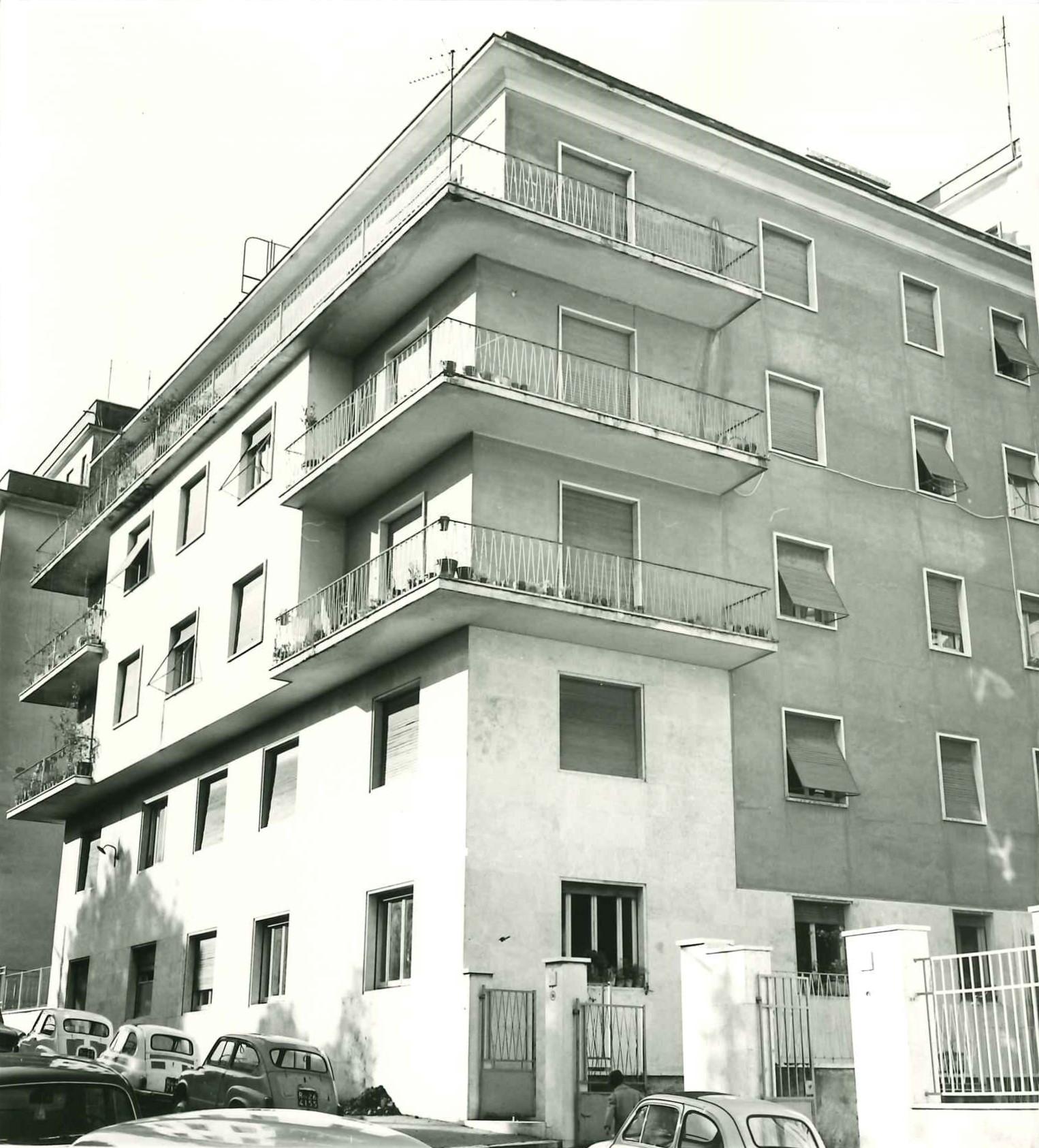
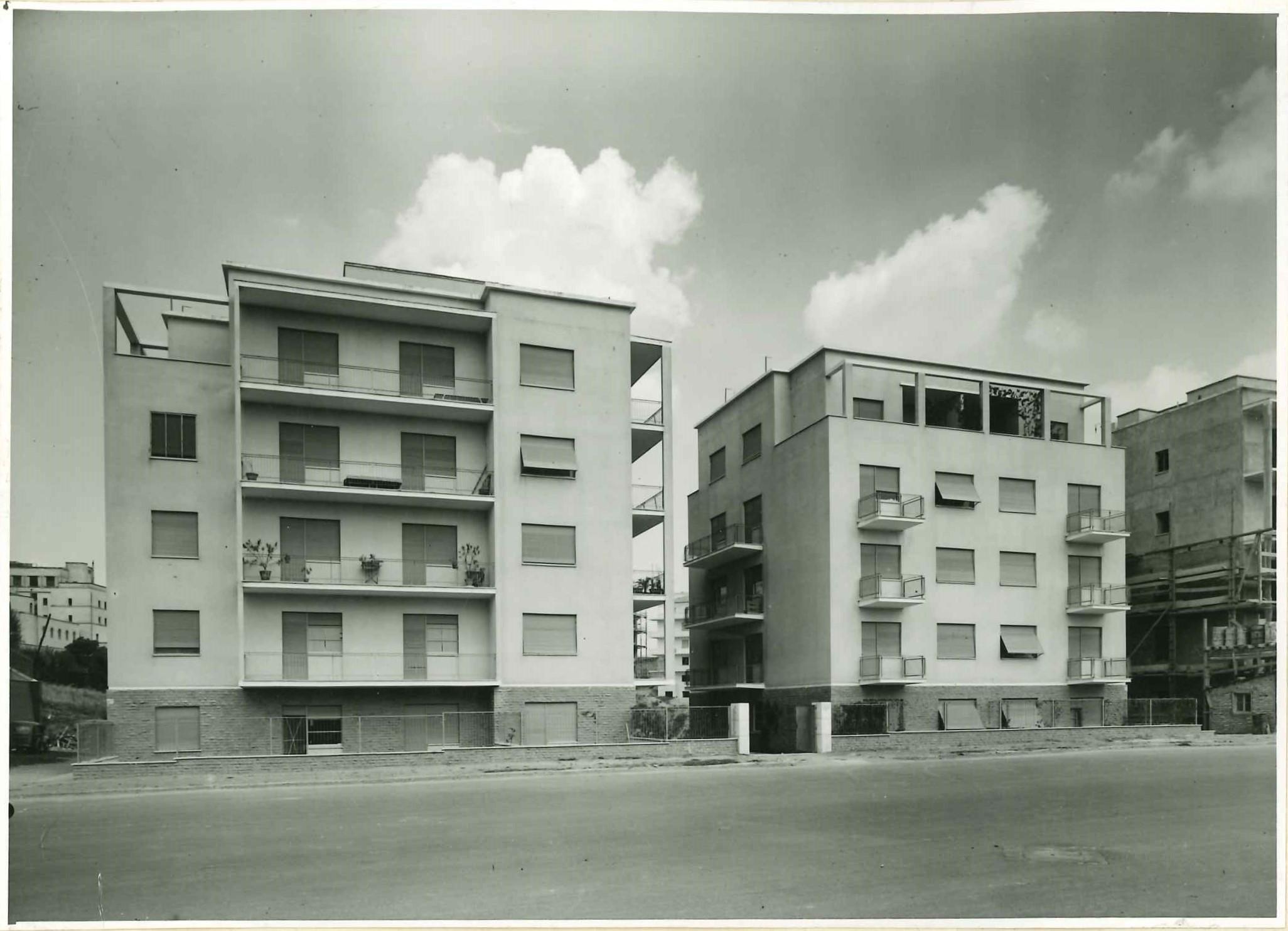
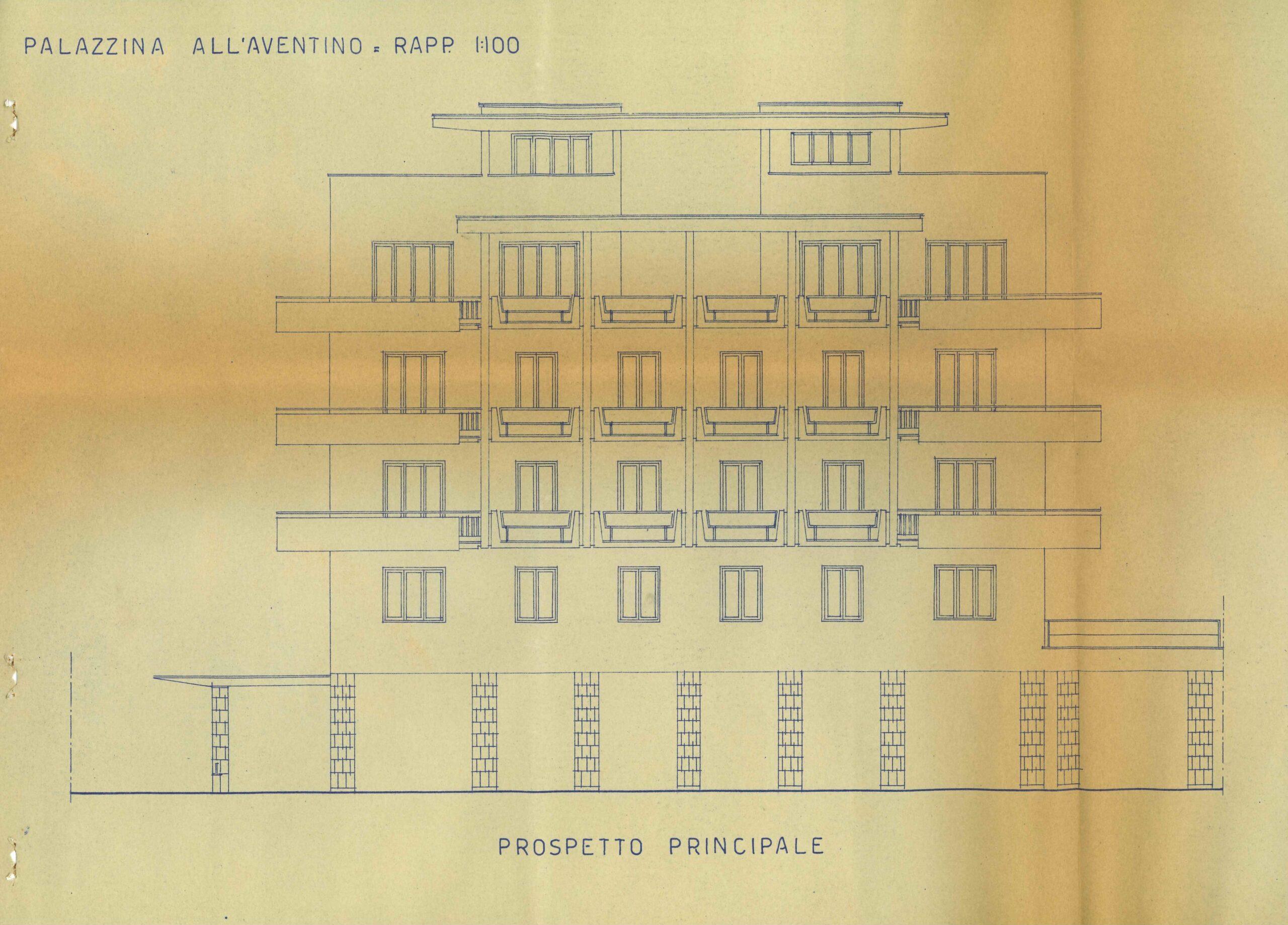
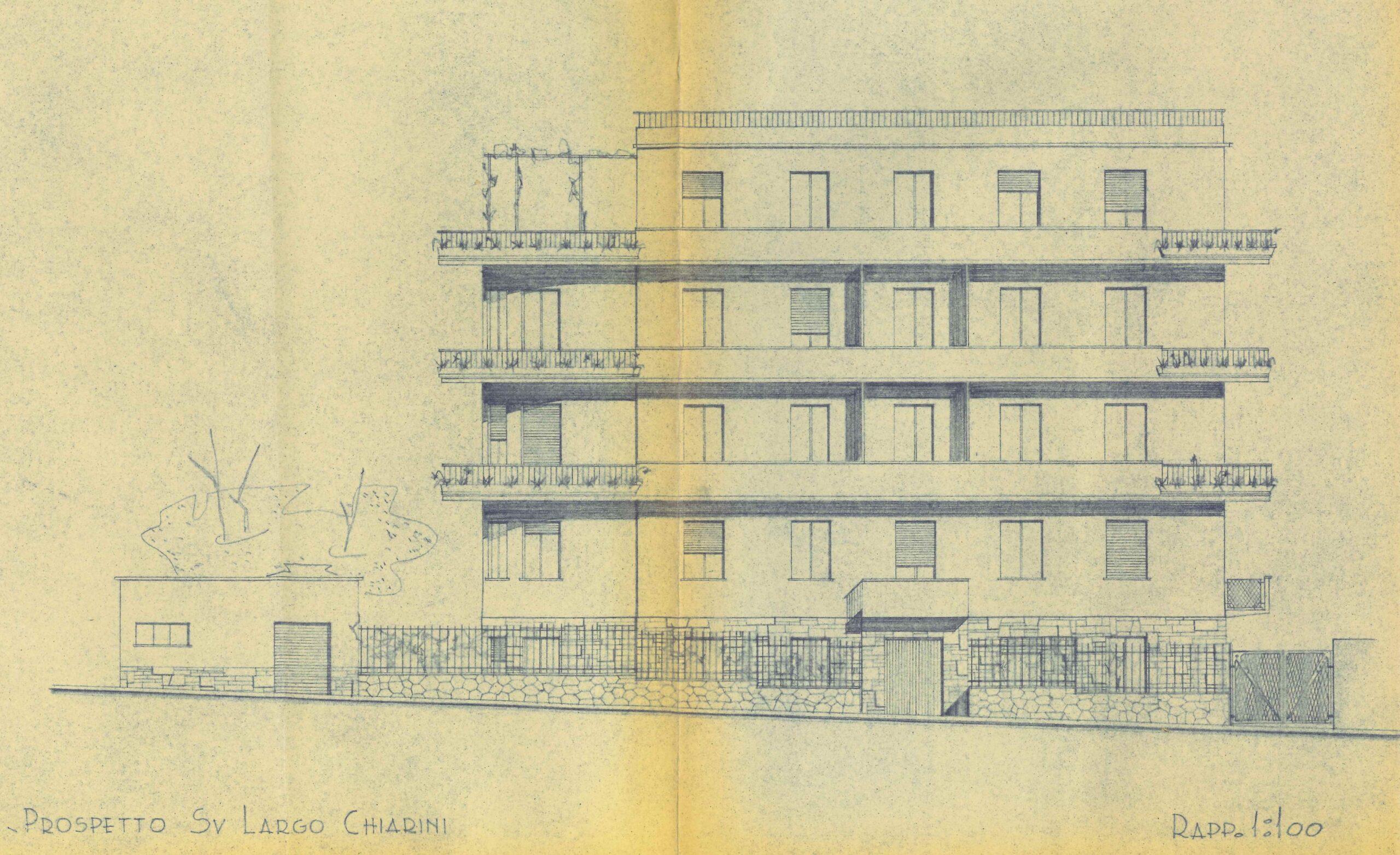
The mission, documentation on which is held in the appraisals’ section of the INA’s Historical Real Estate Fonds (formerly the General Real Estate Archive), produced a not-insubstantial pile of paperwork relating to bids on real estate projects by construction companies. These came with architectural sketches (plans, sections and perspective drawings), descriptive reports and appraisals, beautiful photographs and other materials of great interest. Taken together, this documentation offers us a new small stroll through the Aventine Hill area of Rome in 1950.
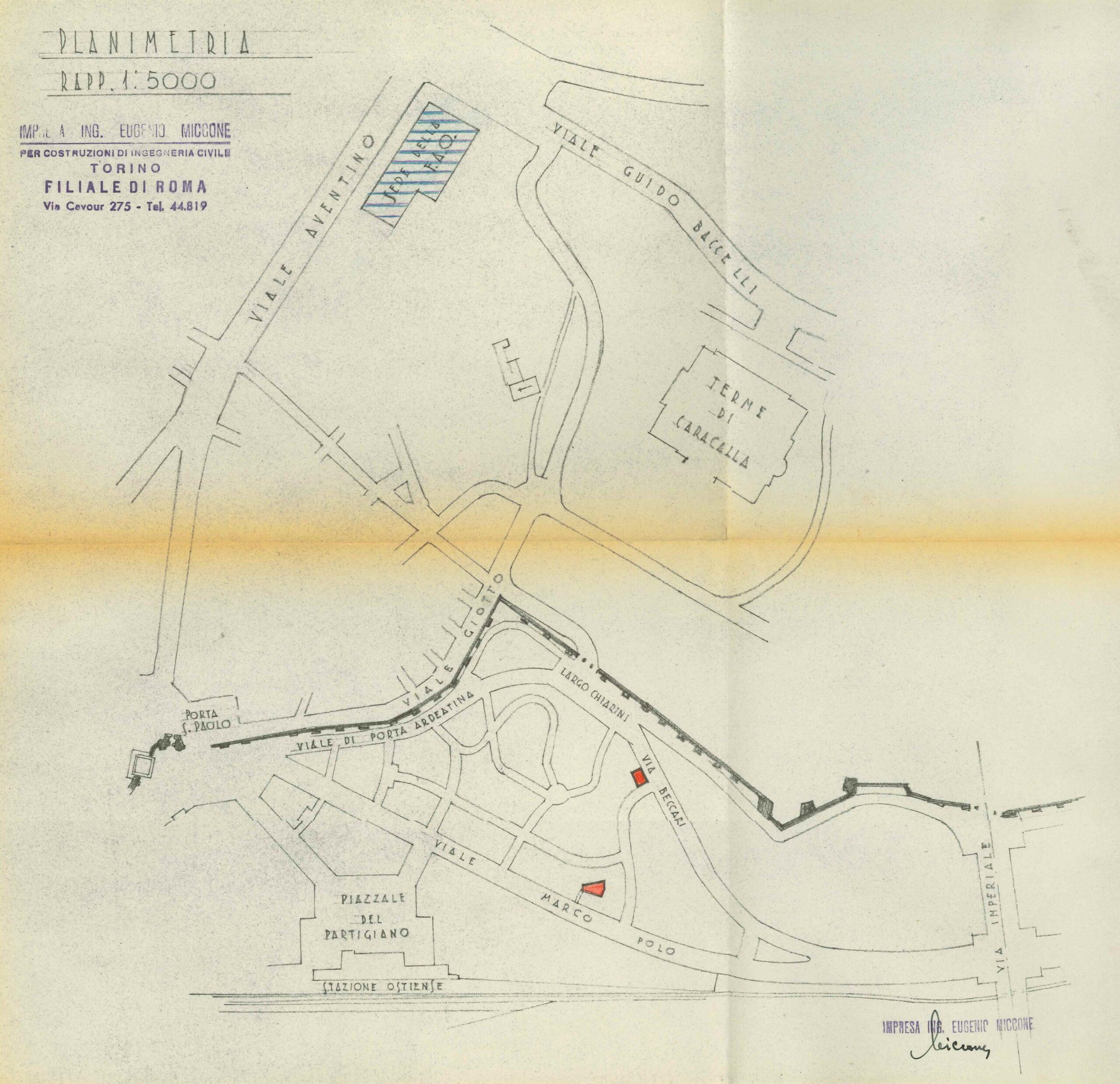
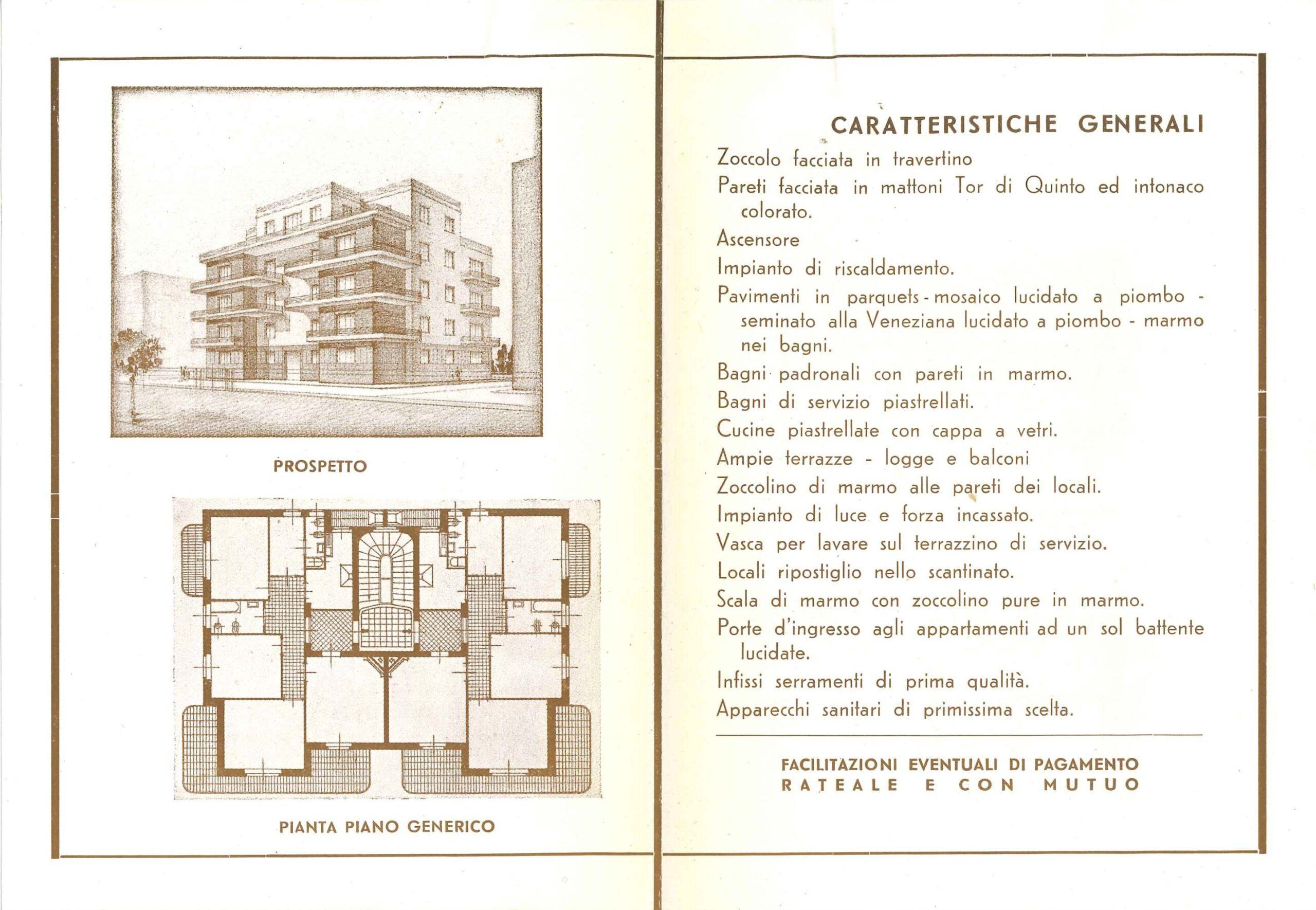
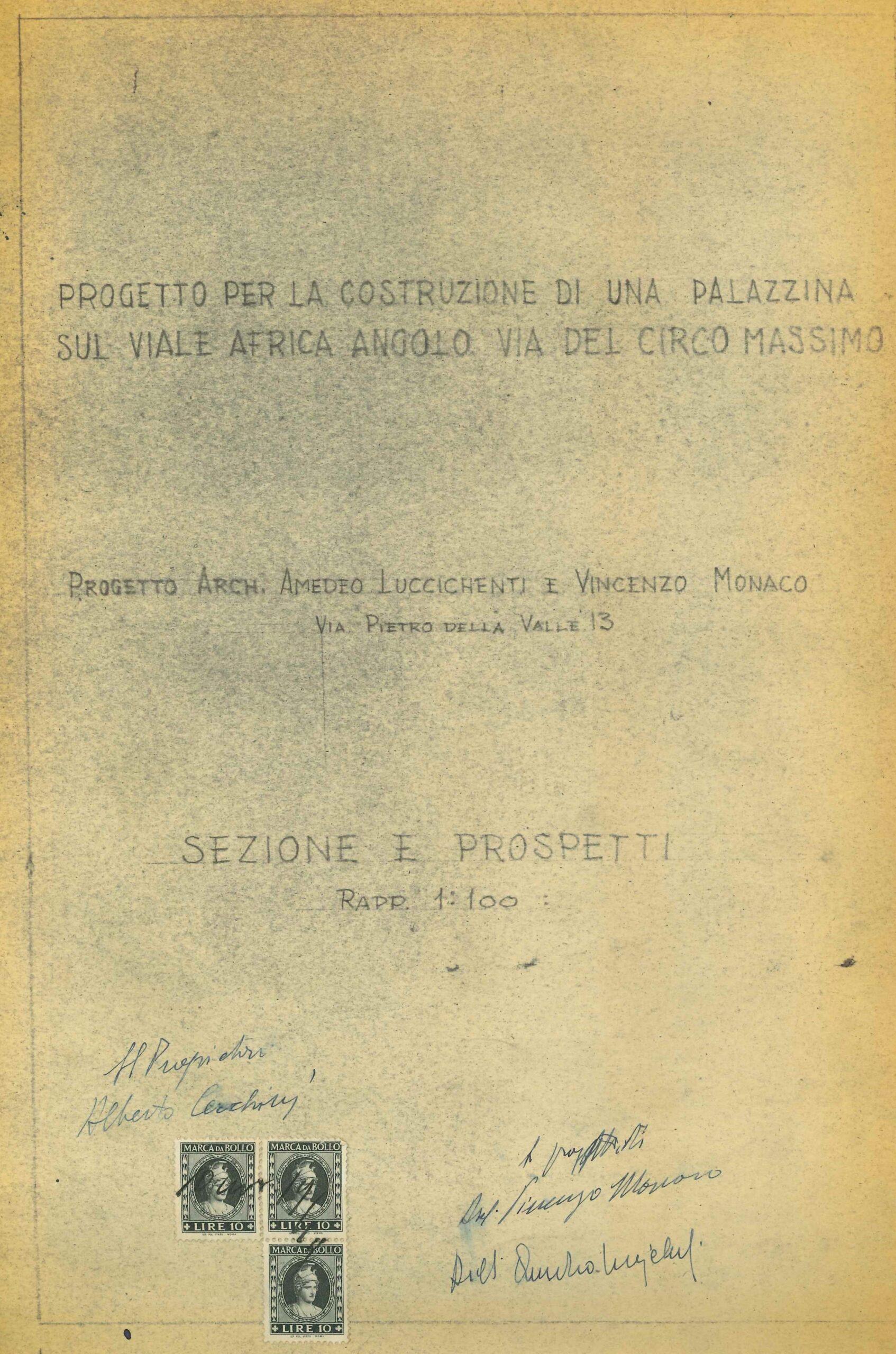
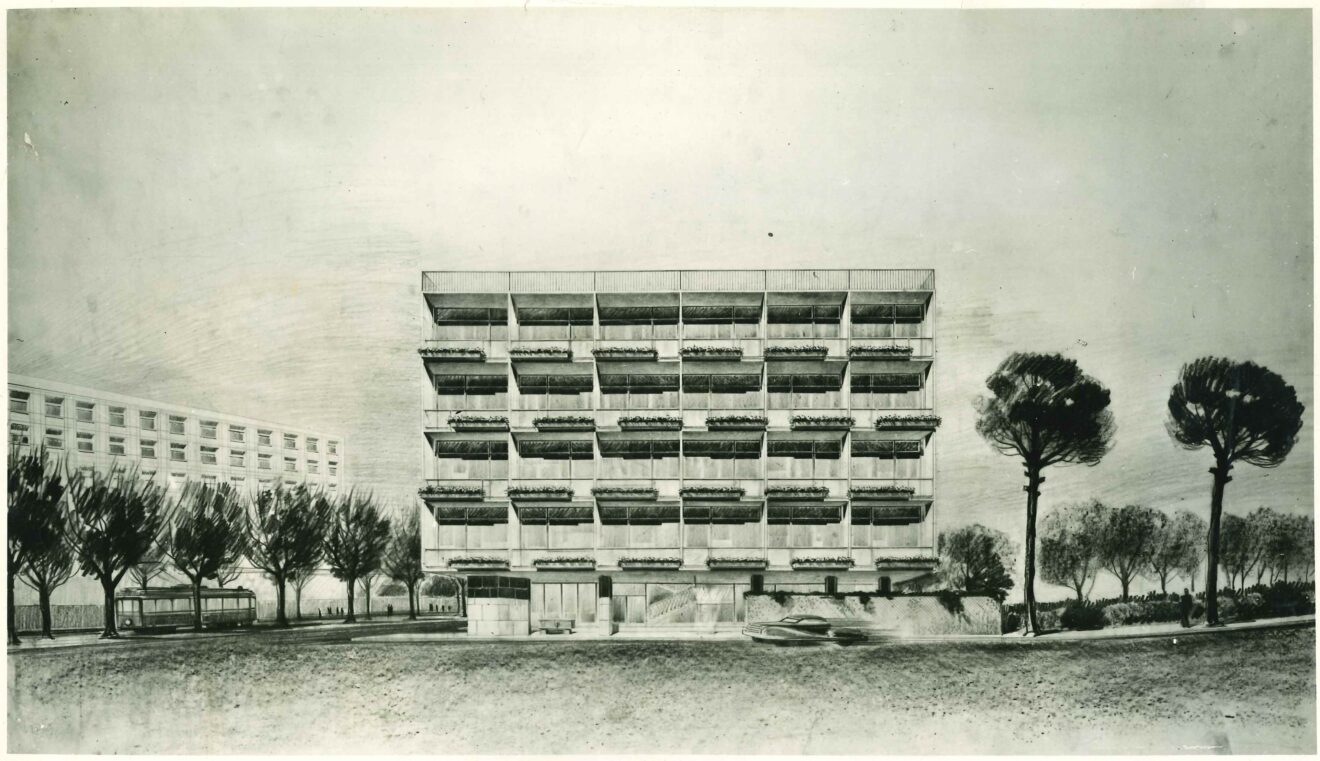
The file regarding the proposal by the Eugenio Miccone firm contains a comprehensive plan that immediately enables the viewer to place themselves, even if the road names have since changed: Viale Cristoforo Colombo was known as the Via Imperiale, while the small piazza outside Ostiense train station was already known as the Piazzale del Partigiano (which later adopted the plural to become Piazzale dei Partigiani). The Canziani firm put forward a proposal for a building near the future FAO headquarters, in Via Oddone di Cluny: the leaflet, which contained a perspective drawing and a generic floor plan, details all the general characteristics of the soon-to-be-constructed building, from the travertine marble façade to the top-of-the-line bathroom fixtures. Differences in toponomy can also be found in the proposal by the Alberto Cecchini firm, whose building was to be constructed on the corner of Via del Circo Massimo and Viale Africa, former name of the Viale Aventino. The photographic reproduction of the perspective drawing of the project proposed by architects Amedeo Luccichenti and Vincenzo Monaco — in which the building stands alone, without the buildings to its right which were evidently constructed at a later date — depicts a scene in which a tram travels through the silence of the photograph while a supercar hurtles past residents (or perhaps tourists) who are walking along.
The real estate proposed by Impresa Curti was on the Viale Aventino itself, “25 minutes by high-speed electric train from the Ostia seaside”; the road dedicated to the Aventine, one of the seven hills of Rome, in the general description of the building, is described as follows, as if in motion:
“The Viale Aventino is a 50m-wide dual-carriageway, lined with veteran plane trees. Its central location makes it accessible to approximately 10 lines including circular, radial, peripheral, bus and express that connect it to many different locations in both central Rome and its outskirts.”
CGR (Cappelli-Giordani-Ruggieri) proposed a small building under construction on Largo Chiarini, right behind the Terme di Caracalla, “a luxury block of flats in the ‘signorile’ style […] located in a part of Rome that is highly valued in the construction industry”. The prestige of this project is clear in the sombre perspective drawing in 1:100 scale, under evaluation.
All that is left to say is that, with these papers and the ones regarding the INA’s real estate in the area, the INA Assitalia Historical Archive undoubtedly offers a small yet valuable contribution to the reconstruction of the history of this magnificent area of Rome.