
At the heart of things: the INA Minutes
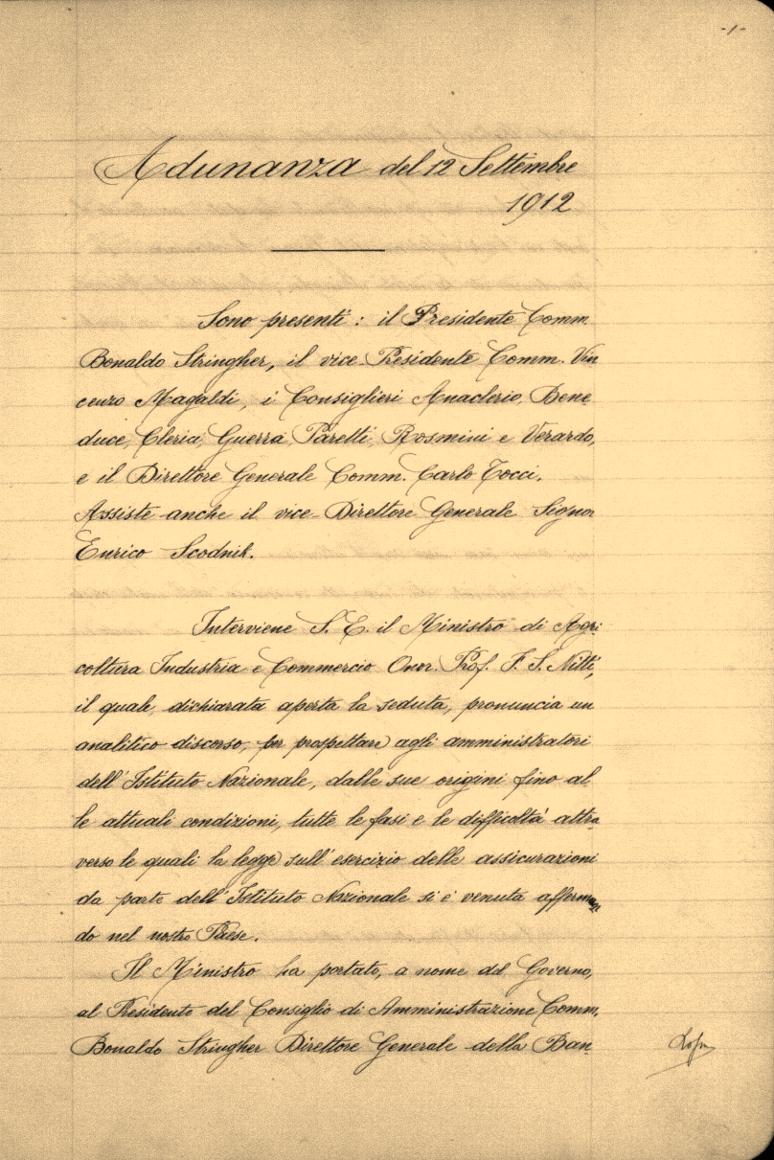
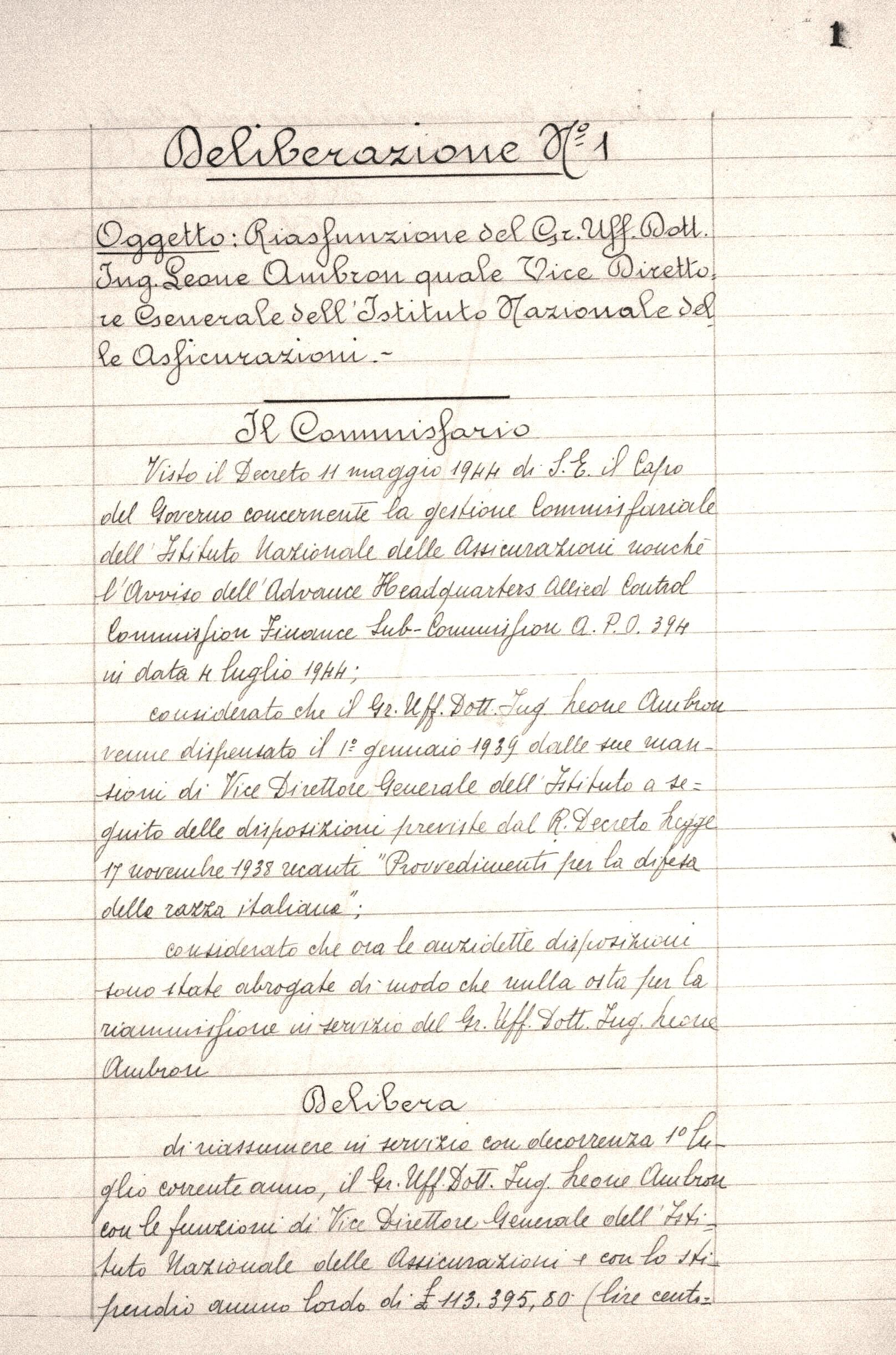
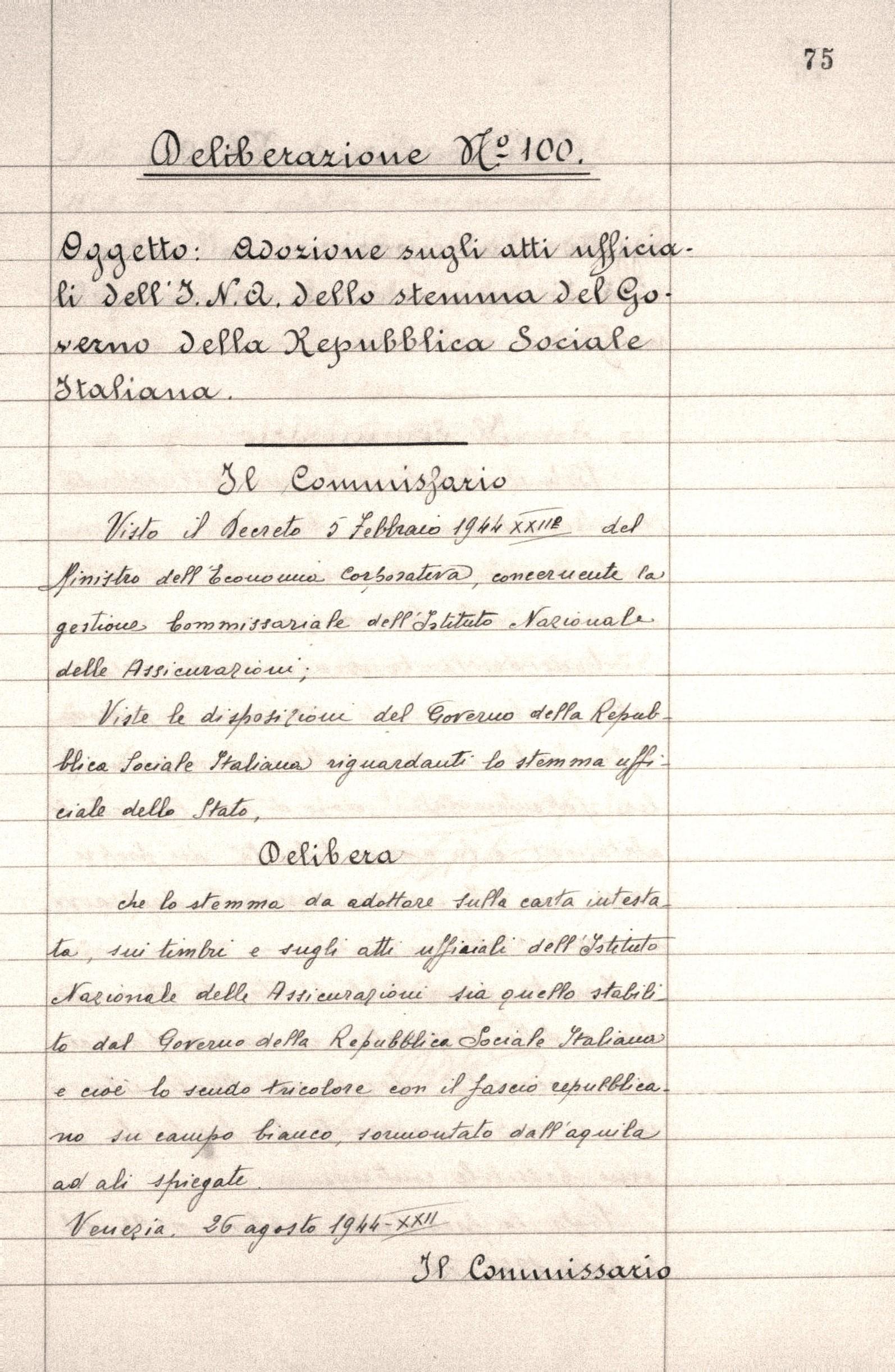
The minutes of both the Board of Directors and the Standing Committee of the Istituto Nazionale delle Assicurazioni (INA) provide the official record of the choices and decisions made by the institute under various management regimes.
They make it possible to reconstruct the activities of the national institute in its various areas of operation, from voluntary retirement plans to State-managed segregated funds, from property investment to management of personal assets. They furnish abundant information on figures from INA’s past, including CEOs, senior managers, employees, general agents, insurance producers and various external contributors.
The on-going and painstaking work of transcribing the headings of minutes to make information searchable is simplifying research work, and online facilities exist for digital reproduction of documents.
Since databases concerning Stringher and Beneduce are already available, it was considered appropriate to first publish the minutes of the Board of Directors and the Standing Committee dating from INA’s foundation in April 1912 to January 1923, when the presidency of Stringher, a typical figure of the early days of the Istituto Nazionale delle Assicurazioni, came to an end. The year 1923 also marked the end of the transitional period created by the law of 4 April 1912 – repealed by Royal Decree no. 966 of 29 April 1923 – authorising INA to operate the state monopoly on life insurance.
The minutes are particularly important for recording the activities of Guido Toja, an important figure in INA’s history who became General Manager in 1920.
Following on from the publication of the minutes from meetings of the Board of Directors and the Standing Committee from 1923 to 1929, regarding the presidencies and commissionerships of Guido Toja (General Manager from 1920) and Salvatore Gatti, the minutes of the Board and the Standing Committee of the presidency, commissionership and second presidency of Giuseppe Bevione – whose leadership is among the longest in INA’s history, from 1929 to 1943 – are now also being made available to researchers. The minutes from these years enable a deeper study of the INA’s activity as the “financial power of the Fascist state”, as Mussolini defined it in 1933, on the occasion of its 20th anniversary.
Following the long presidency of Giuseppe Bevione and the incredibly short one of Gaetano Scavonetti, nominated by the first Badoglio government (1943-1944), a difficult period came, in which the INA had a dual leadership, with Alberto Ercole Troilo nominated by the Italian Social Republic and Alberto De Liguoro by the so-called Regno del Sud (“Kingdom of the South”). With the war still ongoing, the second Bonomi government (1944) nominated a new (short-lived) board led by Annibale Gilardoni, who began the process of reconnecting the two separate branches of the INA, albeit not without significant challenges along the way, with the board of directors of the organisation relocated to northern Italy, alongside ministries and other public bodies. The return to business as usual came with the definitive reunion of the two parts of the INA and their return to regular administrative and financial operations of the field offices in the organisation’s orbit. This took until the post-war board of directors, led by Giuseppe Micheli, who passed away in 1948 and was replaced by Giulio Sansonetti. With the publication of these latest documents, dating from 1943 to 1951, it is possible to revisit this important period in history in terms of the specific events of the Istituto Nazionale delle Assicurazioni and its activities and contribution on various fronts (insurance, real estate reconstruction, shareholding, special requests and investments in assets) in the broader context of the Italian economy.
The volumes of the minutes, both of the Board and the Committee, are organized in chronological order and internally divided into sections corresponding to individual sessions, with an index appended at the end.
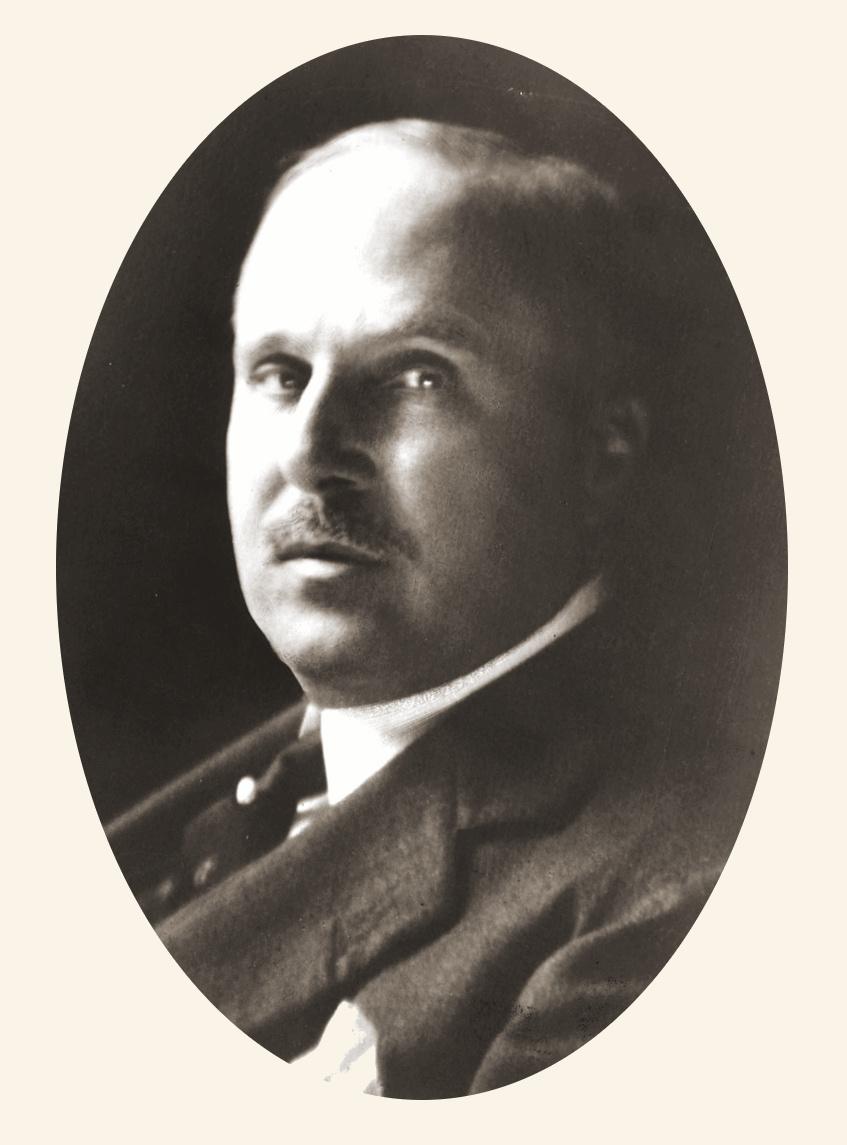
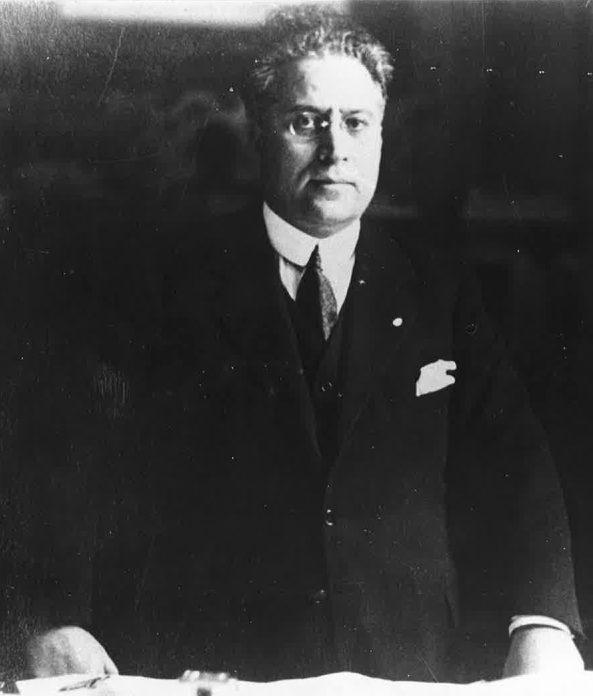
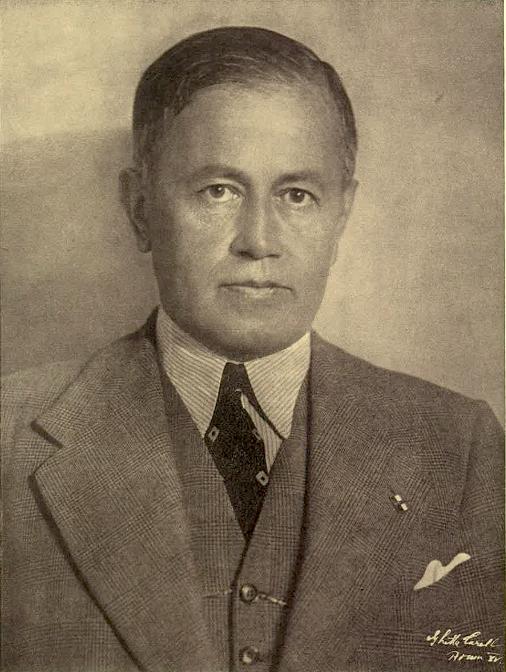
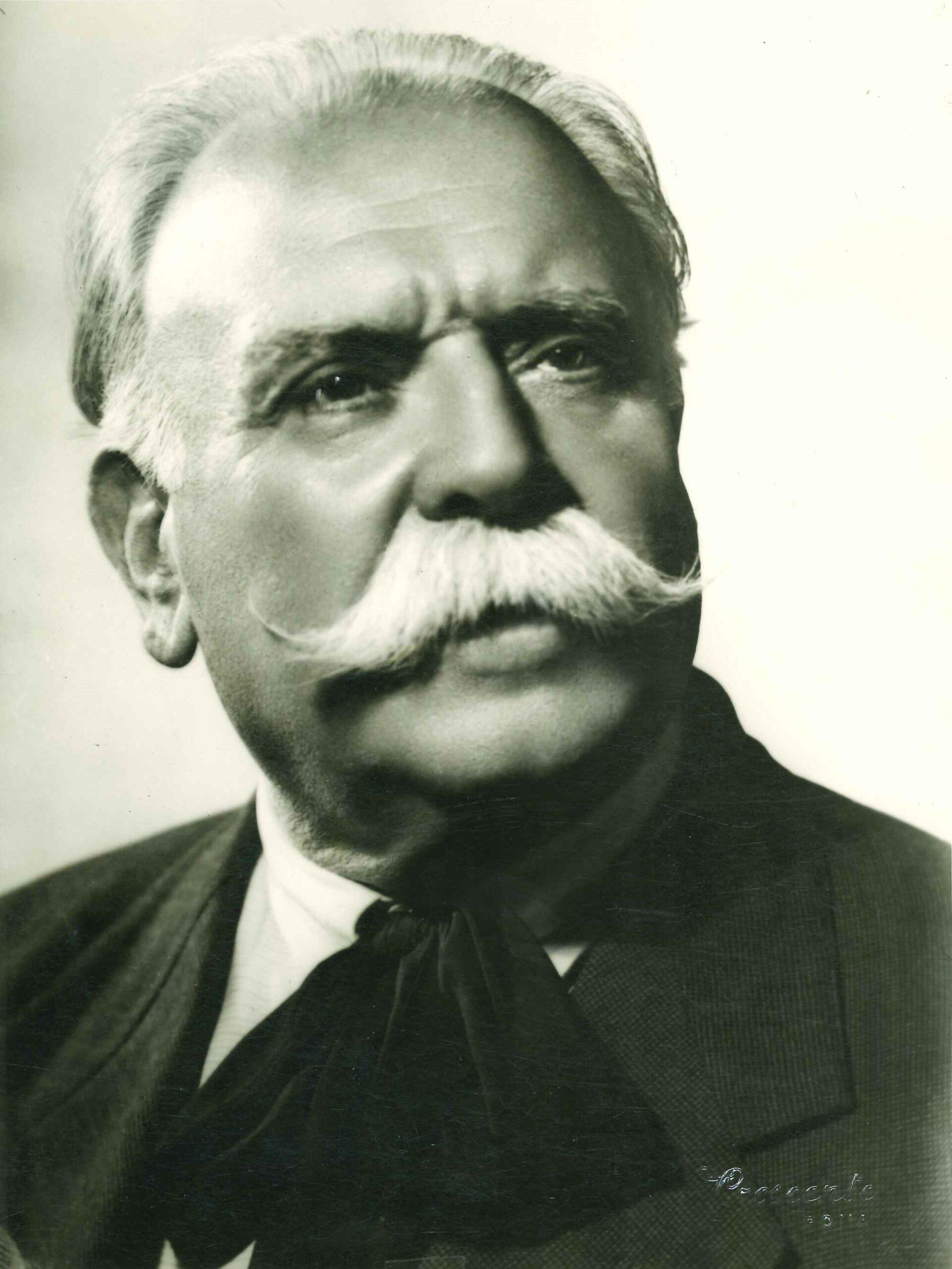
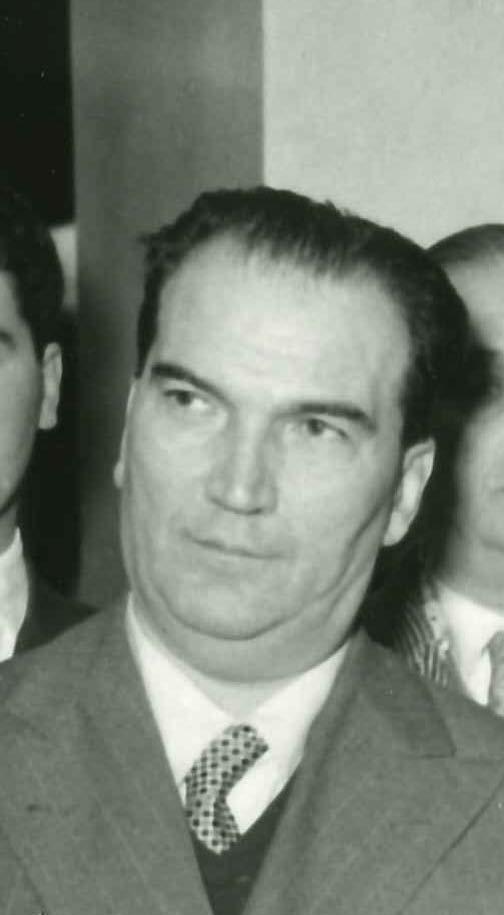
The presidency of Roberto Bracco, which lasted from October 1951 to December 1959, marked the first extended term following the brief post-war presidencies of Giuseppe Micheli (1946–1948) and Giulio Sansonetti (1948–1951). During Bracco’s tenure, the position of Director General was held first by Marino Marinelli (1951–1957), a long-serving internal executive, and subsequently by Carlo Casali (1957–1966), who came from outside the organization and remained in office for nearly a decade.
Under Bracco’s administration, the INA’s income statement returned to balance in 1953 after several years of losses, initiating a prolonged phase of growth. His leadership was marked by a firm commitment to defending the interests of the Istituto Nazionale delle Assicurazioni as a state-owned enterprise operating in a free market. This stance was evident both in negotiations with trade unions representing management and agency staff, and in dealings with the agency network, which in several instances had become overly reliant on support from the central administration. The declared objective was to increase production and reduce costs, in line with the model of a profitable state-run industrial enterprise.
The minutes, which have been meticulously indexed—making all agenda items from each session searchable—enable a comprehensive reconstruction of INA’s multifaceted operations: insurance, asset management, securities (shareholdings, bonds, loans, financing operations, government annuity discounts), real estate, internal administration (personnel and labor disputes), regional organization (general agencies and production force), special management activities, and advertising. Particularly noteworthy are the minutes of the Permanent Committee, which, following a resolution by the Board, was entrusted with oversight of certain aspects of real estate operations. These documents provide valuable insights into both general matters, such as the General Guidelines for the Design of INA Properties, and specific issues, such as property maintenance and renting—areas for which documentation is otherwise scarce in the Historical Real Estate Fonds for the 1950s and 1960s.
Bracco’s presidency also saw the launch of the company’s internal magazine, Cronache dell’INA, which, following previous unsuccessful attempts, proved to be a long-lasting and successful corporate publication, remaining in circulation for nearly thirty years.